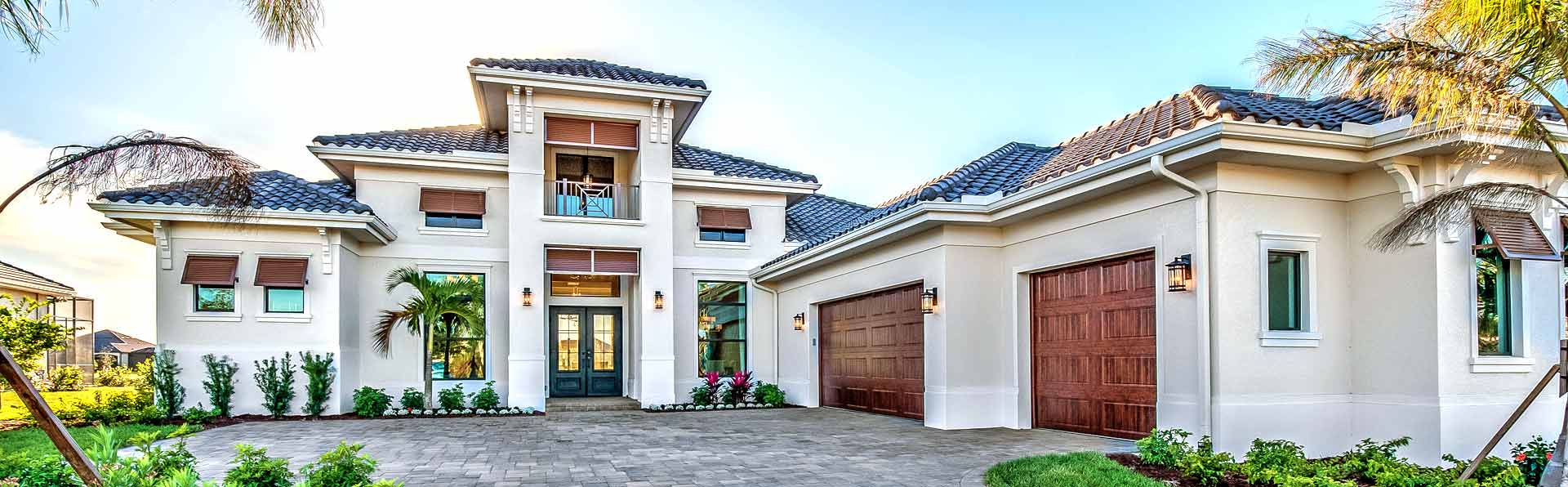

Florida Voters Pass Amendment 3 to Reduce Property Taxes
Understand how Florida property taxes will change starting in 2027
Florida voters have unanimously approved Amendment 3 in the 2026 mid-term election. As the next step, it will now become Florida law and take effect on January 1, 2027. Via its passing, Florida home owners will now see a significant reduction in their property taxes going forward as homestead exemption amounts are increasing. Conversely, local governments will now experience a reduction in their revenues to fund local services and will be forced to eliminate wasteful spending. Via this page, we will overview "who" and "what" is impacted going forward.
Amendment 3 Vote Results
Needed 60% approval to pass
Source Florida Mid-Term Election Results (Nov 3, 2026)
-
Who Is Impacted by the Passing of Amendment 3?
Amendment 3 only impacts Florida residents who own their property and have homesteaded it, meaning that they have declared their home as their primary residence. Amendment 3 does not impact persons who own investment properties in Florida (including rental homes, Airbnbs and 2nd homes) nor does it impact commercial properties. Taxes for non-homesteaded properties in Florida will remain the same. -
How Does Amendment 3 Benefit Florida Homeowners?
Beginning in 2027, Florida property owners will now experience a step-up in their homestead exemption amount, on their primary residence, for non-school taxes, from the current $25,000 per year to the following.
New Florida Homestead Exemption Schedule
- $150,000 in 2027
- $250,000 in 2028
- Inflation adjusted beginning in 2029
5 Years of Florida Residency
To protect current Florida homeowners, Amendment 3 states that persons need to live in the state for 5 years before receiving the full exemption amount on their primary residence. For those with less than 5 years of Florida residency, the exemption amount will be less. -
What Percent of Florida Properties are Homesteaded?
Approximately 47% of all property parcels in Florida are homesteaded, according to 2025 data from the Florida Office of Economic and Demographic Research (EDR). As there are approximately 11 million property parcels in the state of Florida, this means that roughly 5 million homesteaded properties will now be impacted by the amendment’s passing. -
What is the Projected Revenue Loss From Amendment 3 Going Forward?
According to the Florida House of Representatives website, the projected revenue loss for municipalities would be about 14 billion per year, but this amount is essentially equal to the amount of extra spending which state municipalities have taken on since calendar year 2021. To combat this extra spending, in early 2025, Governor DeSantis established the Florida Department of Government Efficiency (aka “Florida DOGE”) to audit state agencies and local governments to eliminate waste, improve accountability, and reduce spending. Also, as the State of Florida will be not using sales tax revenues to fund any shortfall of property tax revenues, local municipalities are considering "unbundling" services covered under property taxes, such as fire rescue, waste water management, trash pickup, etc…, and sending separate bills to residents to pay for these services. -
Will Florida Home Values Be Impacted by the Passing of Amendment 3?
Most likely. As property taxes represent a significant on-going expense of owning a home, reducing or removing property taxes on the same home would make it more affordable in terms of the monthly payment, as taxes are often included in your monthly mortgage payment (via an escrow account). As monthly payments reduce, this means that buyers would be able to afford a more expensive home via the same monthly payment.
The National Association of Realtors economic research team recently published an article (view here) stating that Florida home prices could potentially rise 7%- 9% if the amendment is passed, but time will tell how this plays out. Any price increase in general would instantly place a greater financial burden on renters and first-time home buyers. -
Will the Demand for Florida Real Estate Now Increase Going Forward?
As the result of Amendment 3 passing, Florida is likely to experience an increase in buyer demand going forward from both in-state and out-of-state buyers who would seek to own a home in the state with the lowest property taxes in the nation, and likely never want to leave Florida for this reason.
Florida Tax Reform in 2026
The following are current amendments, and past proposals, to reform Florida property taxes.Approved Amendments
Amendment 3 (Passed Nov 3, 2026)
Past Proposals
The following proposals did not pass the 2026 regular session (ended Mar 13, 2026) to become an amendment.
-
Florida House Bill (HJR 201)
Elimination of Non-school Property Tax for Homesteads
-
Florida House Bill (HJR 203)
Phased Out Elimination of Non-school Property Taxes for Homesteads
-
Florida House Bill (HJR 205)
Elimination of Non-School Property Tax for Homesteads for Persons Age 65 or Older
-
Florida House Bill (HJR 213)
Modification of Limitations on Property Assessment Increases
-
Florida Senate Bill (SJR 270)
Homestead Property Exemption for Persons Age 65 or Older
-
Florida Senate Bill (SJR 274)
Homestead Property Tax Benefits for Long-term Owners
-
Florida House Bill (HJR 201)
Elimination of Non-school Property Tax for Homesteads -
Florida House Bill (HJR 203)
Phased Out Elimination of Non-school Property Taxes for Homesteads -
Florida House Bill (HJR 205)
Elimination of Non-School Property Tax for Homesteads for Persons Age 65 or Older -
Florida House Bill (HJR 213)
Modification of Limitations on Property Assessment Increases -
Florida Senate Bill (SJR 270)
Homestead Property Exemption for Persons Age 65 or Older -
Florida Senate Bill (SJR 274)
Homestead Property Tax Benefits for Long-term Owners